
Winter Tyres for EVs: Impact on Energy Consumption and Range
When temperatures drop and it is time to switch to winter tyres, many EV drivers have an additional question: does changing the tyres also affect energy consumption? After all, every kilometre of range can matter in winter. Tyres do play a role, but they are only part of the equation. What really matters is the combination of rolling resistance, tyre pressure, temperature and driving conditions.
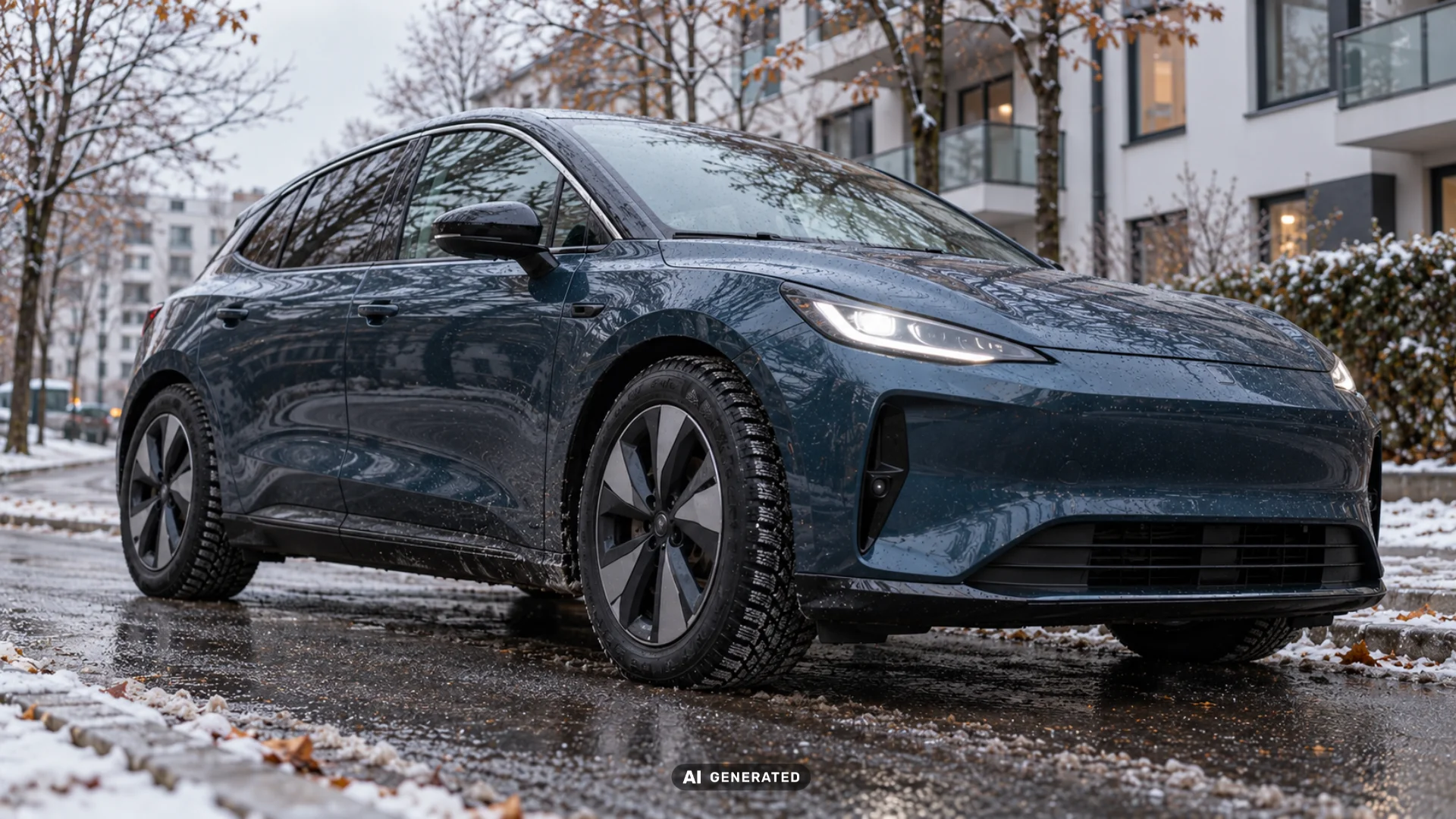
How Do Winter Tyres Affect EV Range?
Winter tyres for EVs are designed for low temperatures, wet roads, snow and ice. Their softer rubber compound and more pronounced tread pattern provide grip, but they can also create greater rolling resistance than particularly efficient summer tyres. As a result, the vehicle may need slightly more energy to keep the tyres moving. The actual effect depends heavily on the tyre model, size, vehicle and driving style, so there is no universal figure for the range loss caused by winter tyres.
It is also important to distinguish this from the general effect of winter conditions. Cold temperatures reduce battery efficiency, while heating and battery thermal management require additional energy. ADAC measurements show increases in energy consumption of around 20 to 30% on longer winter journeys. However, this increase cannot be attributed to winter tyres alone.
Why Rolling Resistance Is Particularly Important
Rolling resistance refers to the energy lost as the tyres roll along the road. The higher the rolling resistance, the more power the drivetrain needs to provide. Winter tyres with efficient rolling characteristics can therefore help keep additional energy consumption as low as possible in an EV.
This factor is particularly noticeable in electric vehicles because energy consumption has a direct impact on the available driving range. However, efficiency should never come at the expense of safety. A good winter tyre must also provide reliable braking performance and sufficient traction on wet, snowy and icy roads.
How Much Extra Energy Do Winter Tyres Use?
There is no single percentage that describes how much additional energy winter tyres consume. Tests comparing different tyres show, above all, that rolling resistance can vary considerably between models. Tyre width, wheel size and tyre pressure can also affect efficiency.
In practice, it is therefore less important whether winter tyres are fitted in general than which tyres you use and whether they are set up correctly. An efficient winter tyre may deliver energy consumption closer to that of a good summer tyre than a less efficient alternative. At the same time, outside temperature, driving speed and heating demand generally have a greater impact on winter range.
Which Winter Tyres Are Suitable for EVs?
If you are wondering which winter tyres are best for EVs, rolling resistance should not be the only consideration. The best winter tyres combine safety, efficiency and durability. Current tyre tests can help you compare suitable models for your specific tyre size. ADAC’s 2026 tyre test, for example, highlights clear differences in braking performance, winter handling and efficiency.
When buying tyres, you should also check the vehicle manufacturer’s specifications and look for the Alpine symbol. In Germany, winter tyres are mandatory when winter road conditions prevail. Approved winter and all-season tyres must therefore carry the appropriate marking.
How to Minimise Range Loss in Winter
Choosing the right tyres is only one way to keep energy consumption under control. Check your tyre pressure regularly and follow the vehicle manufacturer’s recommendations. Tyre pressure that is too low increases rolling resistance and, in turn, energy consumption. Anticipating traffic conditions, maintaining a moderate speed and preheating the vehicle while it is still charging can also help conserve energy.
Winter-related range loss cannot be avoided entirely. With suitable EV winter tyres and some forward planning, however, it becomes much easier to manage. If you need additional energy while you are on the road, we at JOLT provide fast charging stations at many locations with charging power of up to 320 kW – helping you add range quickly, even in winter.
Ultra-fast charging
Find a JOLT station near you
Up to 360 kW – in the middle of the city, around the clock.
Find a charging station