
Charging your EV in spring
Spring often means better EV charging conditions ➤ Learn how temperature, charging time and range are connected.
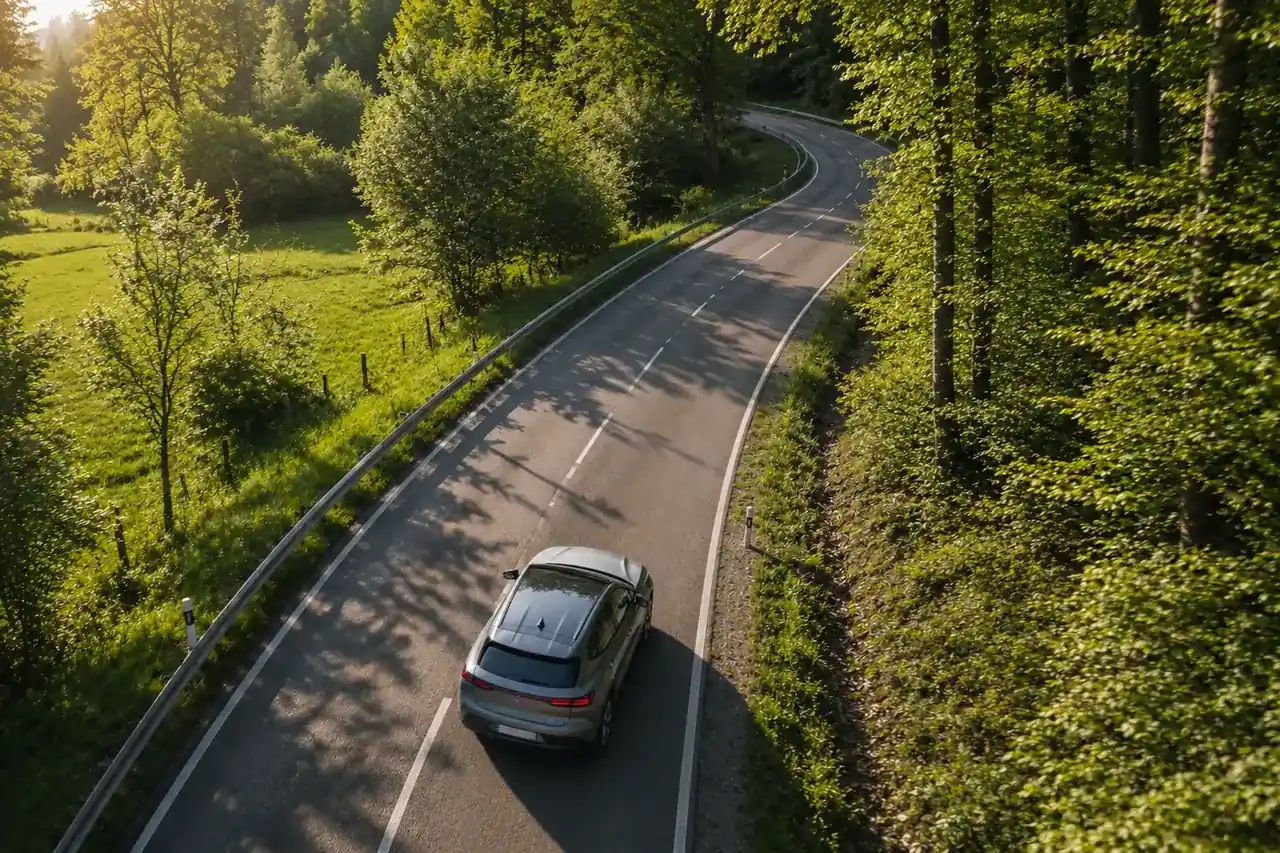
First warm days, better charging conditions? How the weather affects charging
The first mild days often change how driving an electric car feels. Many people quickly notice that charging seems easier than it did in winter. This is mainly due to the battery, which works more efficiently in moderate conditions. If you want to charge your electric car in spring, you therefore often benefit from more stable conditions. Weather has a greater influence on charging than you might initially think in everyday life.
Why mild temperatures are often beneficial
As temperatures rise, many things become easier—including life for your battery. In winter, an EV needs extra energy to heat the cabin and bring the battery up to operating temperature. This increases electricity consumption and reduces range. When the weather gets milder, the situation often improves noticeably. Pleasant outdoor temperatures help the battery operate more efficiently, so less energy is needed for temperature management. This often benefits not only driving and consumption but charging too. That is why conditions in spring are, in many cases, more favourable than during the cold winter months.
How outdoor temperature affects charging
The outside temperature has a noticeable effect on how quickly a battery can absorb energy. In cold weather, the car often reduces charging power as a precaution to protect the battery. This means it takes longer for the charging station's full power to become available. On milder days, the battery is often closer to its ideal temperature range, so charging can proceed more consistently. But high temperatures are not automatically beneficial either. When it gets too hot, the system has to cool the battery, which can also affect charging time. What matters, then, is not just the station's power but also the battery's temperature while charging.
How the weather affects range
It's not just charging itself that depends on the weather: range does too. At low temperatures, energy demand rises, for example because of heating or battery preconditioning. On milder days, this additional consumption is often lower. The vehicle uses its available energy more efficiently, something you may notice particularly in city traffic and on short trips. More range does not automatically mean significantly fewer charging stops, but it often makes everyday driving feel more relaxed. That is a tangible benefit of the milder season.
Excessive heat can put a strain on the battery
If temperatures rise significantly, the opposite of the spring effect may occur. Although warmer weather may initially sound like good charging conditions, too much heat puts the battery under strain. To protect it, the vehicle will often reduce charging power or increase cooling in such situations. This can make charging less efficient and extend charging times. Additional energy is also needed while driving to keep the battery temperature within a safe range.
For everyday use, this means mild conditions are usually ideal, whereas extreme heat can strain the battery and noticeably affect the charging experience.
JOLT makes charging part of everyday life
When mild temperatures meet readily available charging infrastructure, charging on the go becomes even more convenient. JOLT provides the right conditions, bringing ultra-fast charging to the places where it is genuinely needed in daily life. A brief stop thus becomes a practical solution for the road.
Ultra-fast charging
Find a JOLT station near you
Up to 360 kW – in the middle of the city, around the clock.
Find a charging station