
Vehicle Tax for EVs: Who Can Drive Tax-free until 2035?
When buying an electric vehicle, range, charging speed and purchase price are not the only factors that matter. Running costs also play an important role. These include vehicle tax, which is subject to special rules for fully electric vehicles in Germany. Under certain conditions, EV owners do not have to pay it for several years. This guide explains which vehicles qualify, how long the tax exemption applies and why hybrid models are treated differently.
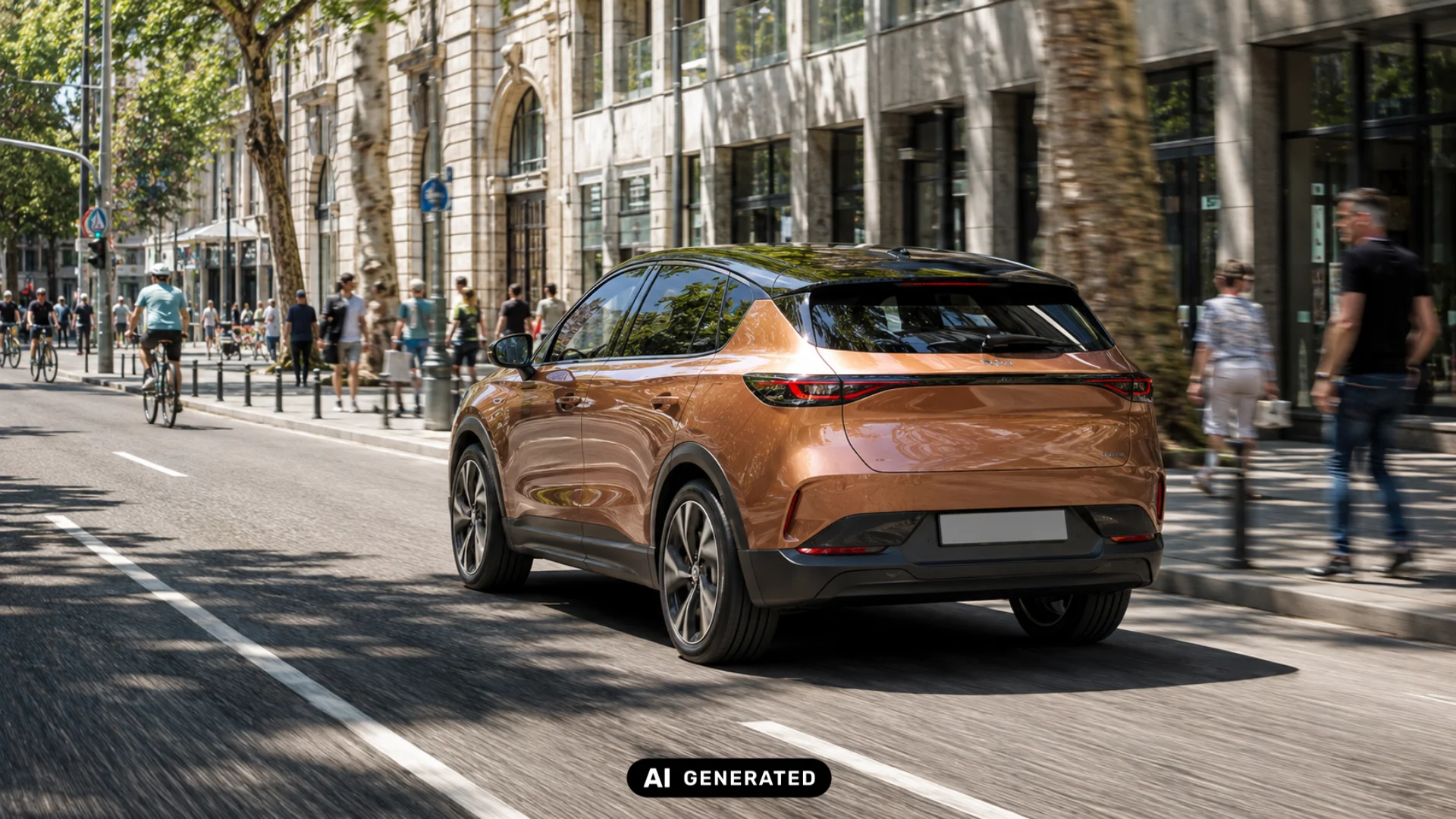
What vehicle tax rules apply to electric vehicles in 2026?
The extended vehicle tax exemption for EVs has been in effect since 1 January 2026. Fully electric vehicles can continue to qualify for an exemption from motor vehicle tax, provided they are first registered or fully converted to electric drive by 31 December 2030. As a result, many newly registered EVs will continue to be taxed at zero euros in 2026. In most cases, no separate application is required.
Vehicles whose ten-year exemption period would previously have been shortened by the former cut-off date at the end of 2030 may now also benefit for longer. Registered keepers affected by this change will automatically receive an updated tax assessment notice during 2026.
How long does an EV remain tax-free?
The exemption generally begins on the date of first registration and can apply for up to ten years. However, it ends no later than 31 December 2035.
An electric vehicle first registered in 2026 can therefore benefit until the end of 2035. For vehicles registered later, the exemption applies only for the remaining period. Anyone registering an EV in 2030, for example, will no longer receive the full ten tax-free years. The earlier the vehicle is first registered, the longer the exemption can be used within the statutory timeframe.
Which electric vehicles qualify for the tax exemption?
In Germany, the exemption applies exclusively to fully electric vehicles. This includes battery electric vehicles and vehicles powered by zero-emission fuel cells. Plug-in hybrids and electric vehicles with an internal combustion engine used as a range extender do not qualify for the vehicle tax exemption.
Vehicle tax for a hybrid is calculated according to the standard rules. When comparing vehicles, you should therefore consider not only the purchase price and range, but also the type of powertrain and long-term running costs. A vehicle described as “electrified” is not automatically exempt from tax.
Does the tax exemption also apply to used EVs?
Yes, a used electric vehicle may still qualify for the tax exemption. The exemption is linked to the vehicle and is not lost when ownership changes. The relevant date is therefore the vehicle’s original first registration, not the date on which you purchase it.
If the exemption has already been used for several years, it will apply only for the remaining period. Before buying a used EV, check the date of first registration in the vehicle documents and ask to see the current vehicle tax assessment notice.
How is vehicle tax calculated once the exemption ends?
Once the exemption period has expired, vehicle tax becomes payable for the electric vehicle. The amount is based on the vehicle’s permissible gross weight: as a general rule, the heavier the EV, the higher the tax.
Under current legislation, however, registered keepers only have to pay 50% of the calculated amount.
How to assess the tax benefits in context
The vehicle tax exemption reduces the running costs of an EV, but it should not be considered in isolation. Insurance, maintenance, electricity prices, driving habits and access to suitable charging facilities also influence how economical an electric vehicle is in everyday use.
For tax purposes, the date of first registration and the current tax assessment notice are particularly important. When estimating your overall running costs, it is also worth considering your personal charging needs. JOLT provides easily accessible charging options in urban areas, helping you integrate electric mobility flexibly into your everyday routine.
Ultra-fast charging
Find a JOLT station near you
Up to 360 kW – in the middle of the city, around the clock.
Find a charging station